₦111 Billion Released for Northern Nigeria’s Biggest Highway Project
The Federal Government has approved the immediate release of ₦111 billion for the first phase of the 700-kilometre Akwanga–Maiduguri Superhighway, one of the largest ongoing transport infrastructure projects in Northern Nigeria.
Project at a Glance
Why This Highway Matters
Stretching from Akwanga in Nasarawa State to Maiduguri in Borno State, the proposed superhighway is expected to become one of Nigeria’s most strategic transport corridors. The route links North Central and North East Nigeria, connecting agricultural communities, commercial centres, industrial zones, security formations, and major interstate markets. Government officials believe the road will reduce travel time, lower transport costs, stimulate trade, improve logistics, and strengthen regional integration. The ₦111 billion approval represents mobilisation funding for the first 125-kilometre phase of construction.
Interactive Corridor Map
Highway Breakdown
Funding Structure
According to the Minister of Works, approximately 30 percent of project financing will come directly from the Federal Government, while the remaining 70 percent is expected through foreign financing arrangements. Government officials say this financing model is intended to accelerate delivery of major infrastructure projects while reducing immediate fiscal pressure.
Expected Economic Impact
Lower Freight Costs
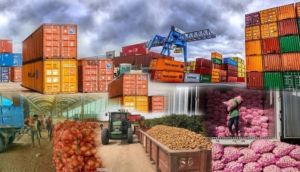
Improved movement of agricultural produce and manufactured goods.Agricultural Growth
Faster market access for farmers across North Central and North East Nigeria.Employment
Thousands of direct and indirect jobs expected during construction.Regional Integration
Improved connectivity between six northern states.Project Timeline
Groundbreaking ceremony for Phase One and immediate release of ₦111 billion.
Construction begins on the 125-kilometre Akwanga–Jos section.
Remaining sections linking Bauchi, Gombe, Biu and Maiduguri to be awarded progressively.
Data Insight
The Akwanga–Maiduguri Superhighway forms part of the Federal Government’s wider legacy infrastructure programme, alongside the Lagos–Calabar Coastal Highway and the Sokoto–Badagry Superhighway. If completed on schedule, the corridor could significantly improve trade flows across northern Nigeria by linking agricultural production zones with urban markets and reducing travel times across six states. Analysts note that the project’s long-term economic impact will depend on timely execution, sustained funding, maintenance, and improvements in security along the corridor.