Nigeria’s $220M Youth Revolution
How One Initiative Plans to Transform 100,000 Lives in Five Years By Hussaini Umar | Data Unveiled | October 23, 2025 $220M Total Investment Target NJFP Basket Fund 100K Youth Placements Goal Next 5 years 40K+ Already Impacted Since 2021The Employment Crisis Nobody Talks About
Nigeria has the education. Nigeria has the graduates. What Nigeria doesn’t have is the bridge between learning and earning. Vice President Kashim Shettima calls it “the transition gap” – that precarious space where thousands of qualified young Nigerians find themselves stuck, educated but unemployed.
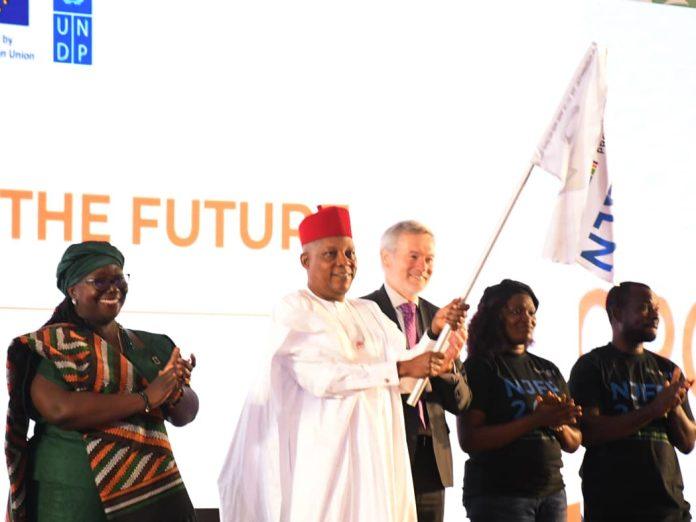
The Nigeria Jubilee Fellows Programme (NJFP) 2.0, launched at the Presidential Villa in Abuja, isn’t just another government initiative. It’s a $220 million bet that Nigeria’s demographic dividend can be transformed from a ticking time bomb into productive economic power.
From Success to Scale: The Numbers Tell the Story
Phase 1 (2021-2024) 13,000+ Direct Beneficiaries 40,000+ Total Placements Phase 2 (2024-2029) 100,000 Target Placements 7.7x Scale IncreaseThe mathematics of ambition: NJFP Phase 1 placed over 40,000 Nigerians in jobs across various economic sectors. Phase 2 aims to place 100,000 youths in just five years – a 770% increase in scale.
Five Sectors That Will Define Nigeria’s Future
NJFP 2.0 isn’t scattering resources randomly. The programme focuses on strategic sectors where Nigeria’s economic future will be won or lost:
🌾 Agriculture ⚡ Renewable Energy 💻 Digital Technology 🏭 Manufacturing 🎨 Creative IndustriesThe Road to $220 Million
The NJFP Basket Fund isn’t asking for charity. It’s seeking investment. Here’s how the funding model works:
Nigerian Government
Embedding programme into national planning and budgeting frameworks, ensuring structural sustainability beyond donor cycles.
Private Sector
Direct investment from Nigerian corporations seeing value in a skilled, job-ready workforce pipeline.
Development Partners
EU and UNDP leading international support, demonstrating belief in collaborative youth employment solutions.
Philanthropic Community
Nigerian and global foundations contributing to sustainable financing mechanisms.
Current Funding Progress
EU & UNDP initial commitments secured | Private sector engagement ongoing
What Experts Are Saying
Millions of Nigerians can perform the jobs currently being outsourced to foreign companies if they are given the right opportunities. — Abubakar Suleiman, CEO, Sterling Bank Millions of Nigerians need the NJFP platform to thrive in today’s economy. — Elsie Attafuah, UNDP Resident Representative, NigeriaThe consensus is clear: Nigeria has the talent. What’s been missing is the structure, the partnerships, and the sustained commitment to turn potential into productivity.
Inclusivity by Design, Not by Default
NJFP 2.0 recognizes that Nigerian youth aren’t a monolith. The programme intentionally reaches:
🗺️ Every Region
From Lagos to Maiduguri, from Port Harcourt to Sokoto
⚖️ All Genders
Intentional measures ensuring equal access
🎯 Merit-Based
Effort rewarded, talent recognized
The Data-Driven Bottom Line
Three factors will determine if this ambitious initiative succeeds:
1. Financial Commitment
Reaching the $220 million target through sustained, multi-stakeholder investment
2. Partnership Coordination
Effective public-private collaboration that pools resources and expertise
3. Governance Integration
Seamless embedding into national structures for long-term sustainability
As Africa’s most populous nation seeks to harness its youth bulge, NJFP 2.0 represents more than policy – it’s a testable model for youth employment intervention at scale. The data will tell the story.
The Numbers Are Just the Beginning
Follow Data Unveiled for continued coverage of NJFP 2.0’s progress. We’ll be tracking the metrics that matter: placement rates, sector distribution, regional reach, and real outcomes for Nigerian youth.
Because data doesn’t just inform decisions – it transforms lives.