Hussaini Umar
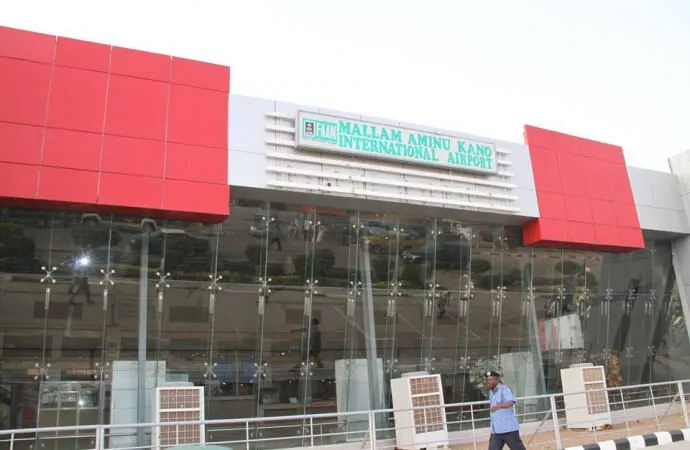
KANO, Nigeria — The Federal Government has approved ₦46 billion for the rehabilitation of the runway at Mallam Aminu Kano International Airport (MAKIA), a major infrastructure investment expected to improve aviation safety, strengthen regional connectivity and enhance Kano’s role as Northern Nigeria’s commercial gateway.
The funding will support the rehabilitation of the airport’s principal runway alongside the upgrade of its domestic terminal, forming part of a broader national effort to modernise Nigeria’s aviation infrastructure.
Minister of Aviation and Aerospace Development, Festus Keyamo, announced the approval during the commissioning of the newly upgraded Dankabo Domestic Terminal in Kano.
According to the minister, the project is designed to improve flight safety, increase operational efficiency and provide passengers with a better travel experience while reinforcing Kano’s strategic position as one of Nigeria’s busiest aviation centres.
More Than a Runway
While runway rehabilitation is primarily viewed as an aviation project, economists say investments of this scale often generate wider development benefits.
Airports are critical economic infrastructure that facilitate trade, tourism, investment, emergency response and business mobility.
As one of Northern Nigeria’s principal international gateways, Mallam Aminu Kano International Airport connects millions of people to domestic and international destinations while supporting commerce across Kano and neighbouring states.
Improved runway conditions are expected to reduce operational disruptions, minimise aircraft maintenance risks associated with deteriorating pavement and improve reliability for airlines operating into the airport.
Why Kano Matters
Kano remains Northern Nigeria’s largest commercial city and one of West Africa’s historic trading centres.
Its airport serves passengers travelling for business, religious pilgrimages, education, healthcare and international trade.
The facility also supports the movement of high-value cargo, agricultural exports and manufactured goods, making it an important component of regional economic activity.
Improving airport infrastructure could strengthen Kano’s competitiveness as a logistics and investment destination while supporting broader economic diversification efforts.
Infrastructure and Regional Development
Nigeria has increased investment in transport infrastructure in recent years as part of efforts to stimulate economic growth and improve connectivity.
Transport economists argue that efficient airports contribute to development by:
- Reducing travel time for businesses.
- Supporting tourism and hospitality.
- Attracting domestic and foreign investment.
- Improving access to regional and international markets.
- Facilitating emergency medical evacuations.
- Strengthening disaster response capabilities.
- Supporting cargo movement and export trade.
For Kano, where commerce has historically depended on efficient transport networks, improved aviation infrastructure could complement ongoing investments in roads, rail and dry port facilities.
Passenger Experience and Safety
Beyond economic benefits, aviation experts note that runway rehabilitation is essential for maintaining international safety standards.
Well-maintained runways reduce operational risks during aircraft take-off and landing, improve drainage during heavy rainfall and minimise the likelihood of disruptions caused by pavement deterioration.
The planned domestic terminal upgrades are also expected to improve passenger processing, reduce congestion and modernise airport services.
Data Snapshot
| Indicator | Value |
|---|---|
| Approved runway rehabilitation funding | ₦46 billion |
| Airport | Mallam Aminu Kano International Airport |
| Location | Kano State |
| Project components | Runway rehabilitation and domestic terminal upgrade |
| Expected impact | Improved safety, operational efficiency and passenger experience |
What Success Will Look Like
The true impact of the ₦46 billion investment should be measured not only by the completion of construction but by measurable improvements in airport performance.
Key indicators include:
- Reduction in runway-related operational disruptions.
- Increased passenger traffic.
- Growth in cargo volumes.
- Improved on-time flight performance.
- Attraction of additional domestic and international airlines.
- Growth in tourism and business travel.
- Increased investment linked to improved regional connectivity.
Monitoring these indicators after project completion will provide a clearer picture of whether the investment delivers its intended economic and developmental outcomes.
Data Unveiled Analysis
Infrastructure spending is often evaluated by the amount allocated rather than the value created.
The rehabilitation of Mallam Aminu Kano International Airport presents an opportunity to assess how strategic transport investments influence regional development.
If completed on schedule and maintained effectively, the upgraded runway and terminal could strengthen Kano’s role as Northern Nigeria’s principal aviation gateway, improve connectivity for businesses and travellers, and support wider economic activity across the region.
The long-term success of the project, however, will depend on implementation quality, maintenance standards and the airport’s ability to attract increased passenger and cargo traffic.