By HUSSAINI UMAR
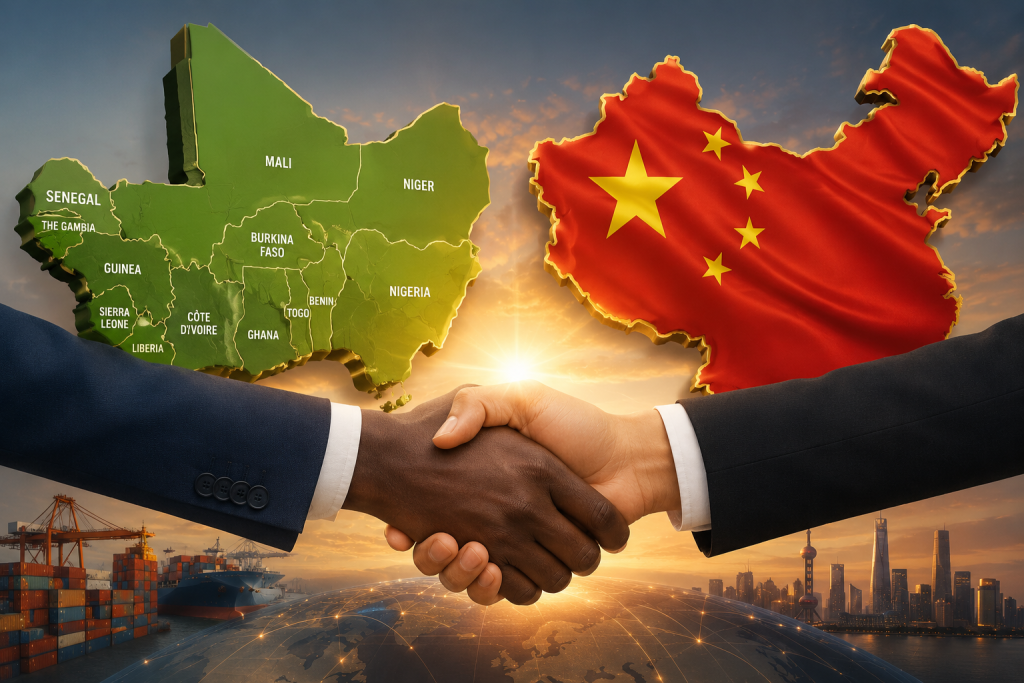
China’s zero-tariff policy offers unprecedented access to one of the world’s largest consumer markets, but economists caution that market access alone will not transform West Africa’s economies. The region continues to face structural constraints that could limit its ability to capitalize on the opportunity unless governments and businesses address long-standing bottlenecks.
Limited Industrial Capacity
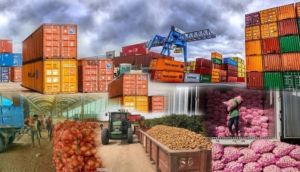
Across much of West Africa, exports remain dominated by raw agricultural commodities and minerals. Processing industries for cocoa, cashew, shea, cotton, rubber and other products are still underdeveloped, meaning much of the value creation occurs outside the continent.
Expanding manufacturing will require sustained investment in industrial parks, reliable electricity, modern machinery and access to affordable financing for local enterprises.
Infrastructure and Logistics
Poor transport networks, congested ports, high freight costs and weak cross-border infrastructure continue to increase the cost of doing business. Although the African Continental Free Trade Area (AfCFTA) is reducing trade barriers, moving goods efficiently across West Africa remains a significant challenge.
Without improvements in roads, rail networks, ports and customs procedures, exporters may struggle to compete despite tariff-free access to China.
Meeting International Standards
Chinese consumers and manufacturers increasingly demand products that meet strict quality, safety and environmental standards. Exporters must therefore invest in certification, traceability systems, modern packaging and internationally recognised quality assurance processes.
For many small and medium-sized enterprises, these requirements remain costly and technically demanding.
Financing the Transition
Industrialisation requires long-term capital, yet many African manufacturers face high borrowing costs and limited access to credit. Development finance institutions and commercial banks will play a crucial role in supporting businesses seeking to expand production for export.
Experts argue that concessional financing, blended finance and targeted industrial incentives could accelerate investment in value-added manufacturing.
Balancing Trade
While China remains Africa’s largest trading partner, the trade relationship is still characterised by a significant imbalance. African countries export relatively few manufactured products while importing large volumes of machinery, electronics, vehicles and consumer goods.
Closing this gap will require policies that encourage domestic production, technology transfer and industrial partnerships rather than simply expanding imports.
Competition Within Africa
China’s zero-tariff policy applies to every African country with diplomatic relations with Beijing. As a result, West African exporters will compete not only with producers from Asia and Latin America but also with businesses in East, Southern and North Africa.
Countries able to deliver high-quality products consistently, at competitive prices and with reliable supply chains are likely to capture the greatest share of the Chinese market.
Looking Ahead
The convergence of China’s zero-tariff initiative, the AfCFTA, and shifting global supply chains presents one of the most significant economic opportunities West Africa has seen in decades. However, turning preferential market access into sustainable industrial growth will require coordinated action by governments, private investors, financial institutions and regional organisations.
For West Africa, success will not be measured by the volume of raw commodities exported, but by the number of factories built, jobs created, technologies adopted and value-added products reaching international markets. If the region can seize this moment, the China–Africa partnership could evolve from a relationship centred on trade to one driven by industrialisation, innovation and shared economic growth.