Nigeria showcases sweeping education reforms at global forum: new data signals turning tide
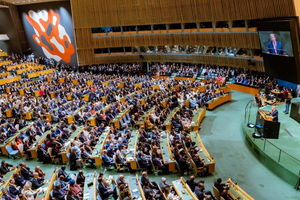
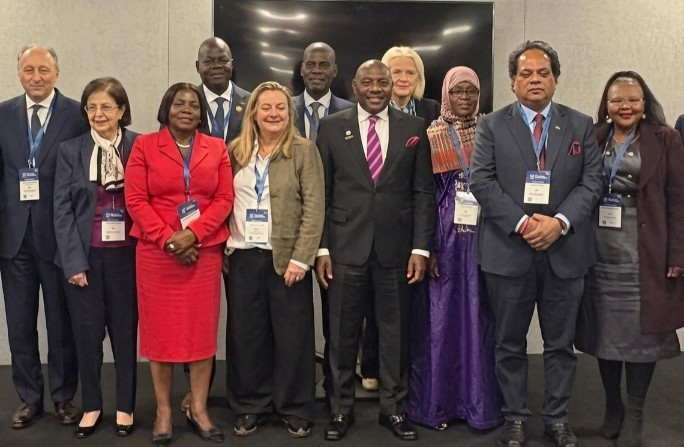
Paris / Abuja – At the 2026 Global Education Forum convened by UNESCO and the World Bank, Nigeria’s delegation presented an ambitious reform blueprint that has drawn international applause. The Minister of Education unveiled a new national learning recovery plan, backed by increased domestic financing and innovative digital inclusion strategies. The presentation marked a turning point: after years of having the world’s highest number of out-of-school children, fresh data indicates the curve is finally bending.
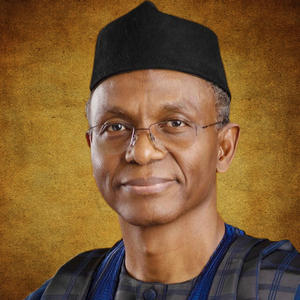
The reform agenda—known as “Education Renewal Initiative” (ERI)—focuses on three pillars: foundational literacy and numeracy, teachers’ digital upskilling, and a revamped school feeding & conditional grants programme. Speaking at the forum, the Minister highlighted that federal education budget allocation rose from 8.2% (2022) to 15.4% (2026), releasing over ₦2.1 trillion for direct interventions. “What we are showcasing is not just policy, but verifiable results,” she said, referencing the decline in out-of-school children for four consecutive quarters.
Data from the National Bureau of Statistics (NBS) and the Universal Basic Education Commission (UBEC) show that the number of out-of-school children (ages 6–14) declined from 20.2 million in 2022 to an estimated 13.9 million by Q2 2026. This sharp drop is attributed to the integration of over 2 million children into the newly expanded Almajiri modern education system and the deployment of 65,000 tablets for remote learning in underserved rural clusters.
The global forum also spotlighted Nigeria’s innovative “Digital Learning Passport” — a partnership with Microsoft and local ed-tech startups — which has already reached 2.8 million learners in 14 states. Teacher recruitment drives have added 112,000 new qualified instructors, with a focus on female teachers in rural areas, raising the gender parity index in basic education from 0.82 to 0.91.
However, challenges persist. Northern states still account for 68% of the remaining out-of-school population, while insecurity in some regions disrupts attendance. The government committed to a “results-based financing” mechanism tied to state-level performance, a model that earned praise at the forum. As Nigeria returns from the global stage, the data reveals that sustained political will and transparent tracking are turning reform pledges into measurable outcomes.