Hussaini Umar
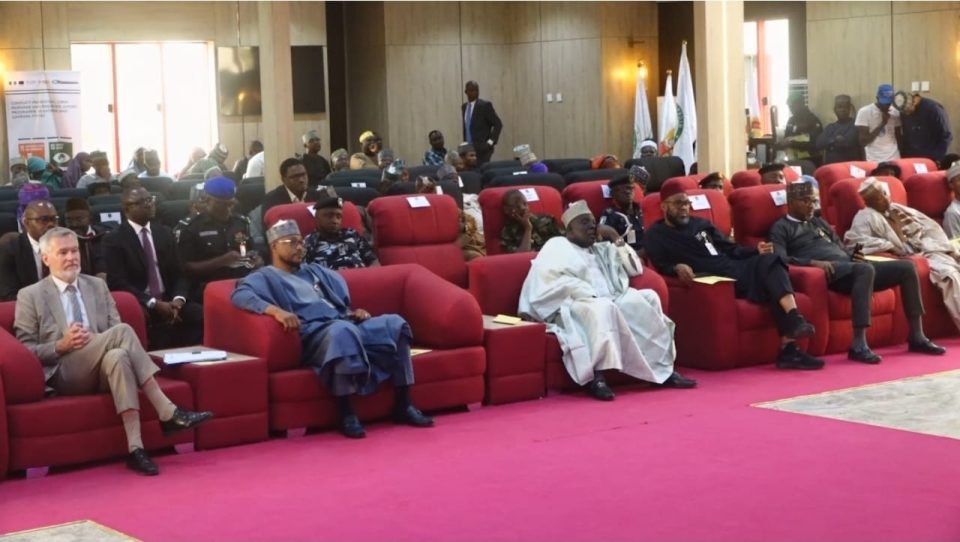
The European Union (EU) has launched a Conflict Prevention, Crisis Response and Resilience (CPCRR) project in Zamfara State to promote peacebuilding at the grassroots.
The project is being implemented with support from the International Organisation for Migration (IOM), the Centre for Democracy and Development (CDD), and Mercy Corps.
At the launch in Gusau, the EU Ambassador to Nigeria, Gautier Magnot, stated that the CPCRR project, which was initially initiated in Katsina State, has now been extended to Zamfara to cover Gusau and Bungudu Local Government Areas, with plans to consider the inclusion of Tsafe Local Government Area.
Mr Magnot stressed that while the EU does not directly implement projects, it provides funding through trusted partners.
According to him, the organization and the other key partners will work closely with communities to strengthen locally led peacebuilding efforts.
Activities under the project, he said, will include community, interfaith and intercommunal dialogues aimed at improving early warning and early response systems, as well as supporting sustainable conflict resolution mechanisms.
He noted that strong emphasis will be placed on mental health and psychosocial support to help affected populations heal from trauma and rebuild their lives.
The EU Ambassador acknowledged the complex drivers of insecurity in Nigeria, including banditry, youth unemployment, climate change, competition over natural resources, and communal disputes.
Earlier, the Head of Mission of the International Organisation for Migration (IOM), Dimanche Sharon, who spoke on behalf of other partners called on communities in Zamfara State to keep hope alive as a foundation for lasting peace and stability.
Ms Sharon commended the people of Zamfara for their resilience despite years of insecurity, noting that the new programme is designed to transform that resilience into sustainable peace and stability across the state.
Governor of Zamfara State, Dr Dauda Lawal, described the project as timely and critical to the state’s peacebuilding and recovery efforts.
He said the project aligns with the state government’s development philosophy, which prioritizes people-centered governance, inclusion, and sustainability.
“Preventing conflict, responding to crises, and strengthening resilience are interconnected. This project complements our efforts to strengthen local peace architecture, improve livelihoods especially for youth and women, and enhance coordination among government institutions,” he said.
He assured stakeholders of the state government’s full political and institutional support and called on traditional rulers, religious leaders, youths, women, and civil society organisations to actively participate in the project’s implementation.