Hussaini Umar
Ahead of the 30th United Nations Climate Change Conference COP30, scheduled to hold in Belem, Brazil, President Bola Tinubu has approved the adoption of the National Carbon Market Framework and the operationalization of the Climate Change Fund.
The framework is designed to position Nigeria strategically within the global carbon market and unlock an estimated $2.5 to $3 billion annually in carbon finance over the next decade.
The funds will support the country’s efforts toward achieving its climate goals and advancing sustainable development.
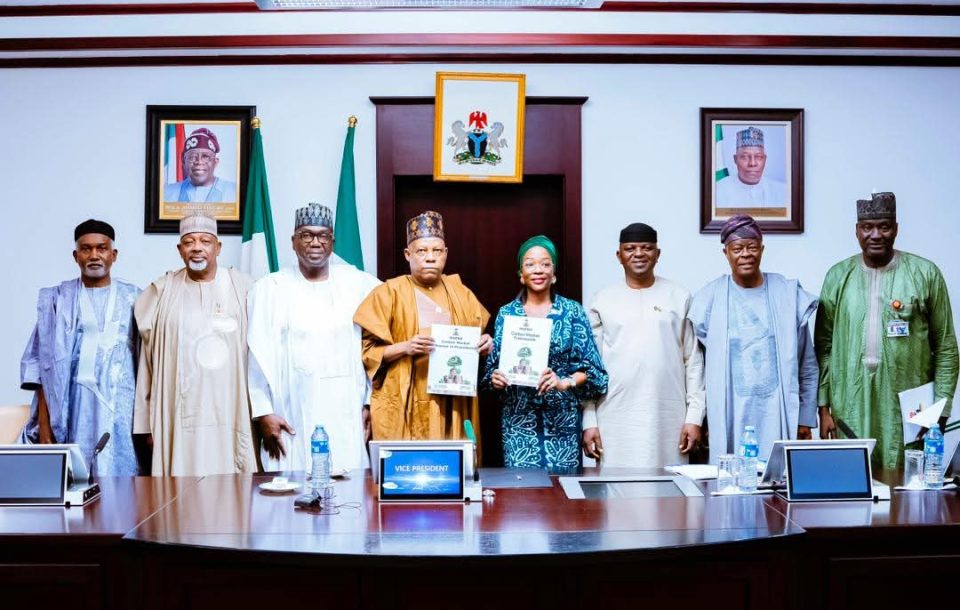
The approvals followed a presentation by the Director-General of the National Council on Climate Change (NCCC), Omotenioye Majekodunmi, at the second meeting of the Council held at the Presidential Villa, Abuja.
President Tinubu, represented by Vice-President Kashim Shettima, said the decision underscores the administration’s determination to leverage emerging opportunities in the global carbon economy while strengthening Nigeria’s position in climate action.
He stated that the government’s agenda for COP30 was focused on attracting financing for climate-resilient projects and related interventions, particularly from the international carbon market.
“Nigeria stands ready to take its rightful place as a global leader in climate action, ensuring that our voice and realities are heard and respected in international negotiations,” the President affirmed.
“We have demonstrated this commitment through our active participation in the UNFCCC process, progress in implementing our Nationally Determined Contributions (NDCs), and efforts to mobilize climate finance for adaptation and mitigation at all levels of government.”
President Tinubu reiterated that climate action remained a central pillar of his administration’s development agenda, promising continued support for policies that protect citizens, strengthen the economy, and attract green investments.
Mrs Majekodunmi, the NCCC Director-General, had earlier mentioned that the Council’s deliberations were timely ahead of COP30, noting that Nigeria’s decisions and outcomes from the meeting would shape international perceptions and support for the country’s climate ambitions.
Presenting the Council’s progress report, she announced that Nigeria has become eligible to access new rounds of climate finance from multilateral funds. The Secretariat, she added, remained committed to providing technical leadership and coordination to achieve measurable progress in implementing national climate goals.
The Council also resolved to operationalize the Climate Change Fund to ensure immediate readiness for fund mobilization and utilization.
Wale Edun, the Minister of Finance and Coordinating Minister of the Economy, while supporting the recommendations, stressed the importance of Nigeria securing a strong foothold in the global carbon framework.
He pledged the Finance Ministry’s close collaboration with the NCCC, including hosting a quarterly Climate Finance Tracking Dashboard to monitor progress and accountability.
With these approvals, Nigeria reaffirms its commitment to advancing climate action while creating new pathways for economic growth, green investment, and sustainable development.