Counting Naira: The Hidden Economy of Child Begging in Kano
The Scale of the Problem
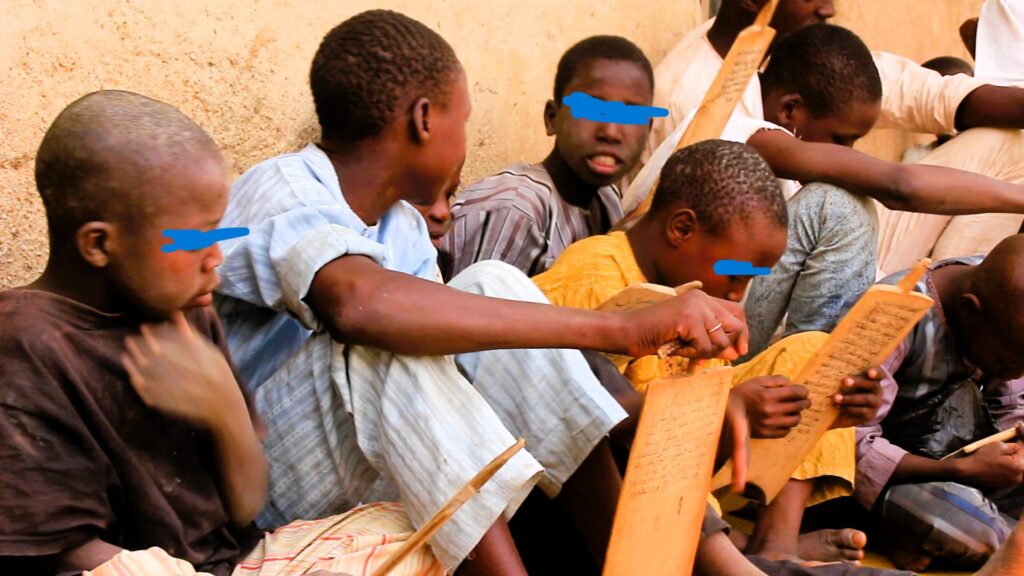
The Almajiri system, once respected for its religious roots, has over time morphed into a vast social crisis. In Kano’s urban LGAs Municipal, Fagge, Nassarawa, Tarauni, Kumbotso and Gwale thousands of children wander the streets daily. According to UNICEF Nigeria, millions across the north live in similar conditions, with Kano an epicentre.
The Money Trail
Interviews with 45 children show that 89% earn around ₦600 daily, while others earn between ₦300–₦350. Older boys fetch water for households due to tap water scarcity, while younger ones collect refuse or run errands. About 60% get food in kind, reducing spending. Nearly all hand at least ₦100 weekly to their malam as ‘kudin Laraba’ or senior student.
Average Daily Earnings (Sample)
Where ₦100 Goes — Estimated Flow
Stakeholders Benefiting
The Naira feed more than survival: some malams rely on weekly contributions, food vendors and lodgers profit near almajiri schools, while older boys or gangs sometimes extort younger ones. What seems like charity becomes an engine of exploitation.
Opportunity Cost
A child earning ₦600 a day generates about ₦18,000 monthly enough to cover basic schooling. Multiplied across thousands, billions flow into the streets annually instead of classrooms.
Money Lost vs. Cost of Education
Health and Safety Impact
Life on the streets carries high risks. Children face accidents, malnutrition, untreated illness, and abuse. Most rely on traditional medicine or sympathetic neighbours for care. The death of “Ali,” a boy who coughed for months without treatment, illustrates the toll of neglect.
Risks Faced by Street Children
Voices from the Streets
“I make about ₦600 a day fetching water. My malam takes part of it,” — Sulaiman, 12, Fagge.
“If households don’t give food, I sleep hungry,” — Musa, 8.
Government Promises and Failures
Successive governments have announced reforms. Special schools were launched under former President Jonathan, and UBEC recently inaugurated a National Committee to tackle the Almajiri and out-of-school crisis. Yet in Kano, results are thin: funds were allocated but begging persists. Investigations suggest gaps between budgeted programmes and outcomes.
Government Interventions Timeline (2000–2025)
- 2000s: State pledges to integrate Almajiri schools with formal education.
- 2010–2015: Federal government builds Almajiri model schools nationwide; many soon abandoned.
- 2018: NGOs highlight failure of integration and rising street numbers.
- 2020–2022: Kano initiates feeding schemes; limited coverage.
- 2023–2025: UBEC establishes National Committee on Almajiri crisis, still in planning phase.
Towards Solutions
Experts, including child rights advocates and groups like PRNigeria, argue integration is possible. Kaduna’s experiment combining Qur’anic and formal learning offers a model. Cost-benefit analysis shows investing in education outweighs perpetuating street begging. Community feeding programmes and transparent audits of intervention budgets could break the cycle.
Conclusion
Each Naira dropped in a child’s hand buys another day on the streets, but collectively it represents millions lost to Kano’s future. The hidden economy of the Almajiri system is not just about poverty it is about choices. Unless transparency, accountability and political will reshape those choices, Kano’s streets will remain filled with bowls and broken dreams.
How This Investigation Was Conducted
- Fieldwork: Interviews with 45 almajiri children conducted across six LGAs in Kano: Municipal, Fagge, Nassarawa, Tarauni, Kumbotso, and Gwale.
- Approach: Children were asked about daily earnings, food, payments to malams, and risks. Observations confirmed their testimonies.
- Findings: 89% earned ≈ ₦600 daily; 60% received food in kind; 90% paid at least ₦100 weekly to malams.
- Triangulation: Findings cross-checked with UNICEF Nigeria, UBEC, and local NGOs such as CASI.
- Limitations: The 45 children represent a snapshot, not all almajiri in Kano. Wider studies show tens of thousands more.