How Easing FX Pressures Unlocked Nigerian Banks’ Global Limits
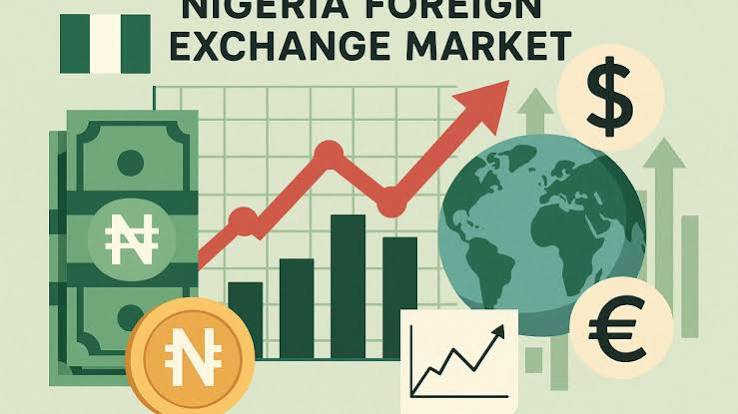
Nigerian banks are quietly restoring international spending limits on naira debit cards, signaling a major shift in the country’s foreign exchange trajectory. For nearly two years, Nigerians relying on naira cards for foreign transactions—subscriptions, flight bookings, and online shopping—were boxed into restrictive $20 monthly caps. The recent easing of these limits is not merely a customer service upgrade; it is a direct data response to improving dollar liquidity.
By unlocking overseas spending, banks are confirming that the Central Bank of Nigeria’s (CBN) aggressive FX clearing strategies have stabilized the market enough to absorb retail dollar demand without triggering another currency crisis.
The Liquidity Comeback
The restoration of card limits is anchored in a noticeable improvement in Nigeria’s gross external reserves and diaspora remittance inflows. In late 2023 and early 2024, the CBN cleared over $7 billion in inherited foreign exchange backlogs, which restored confidence in the banking sector and repatriation flows.
As dollar supply improved, the parallel market premium narrowed, and the official NAFEM rates stabilized. Banks, previously terrified of draining their correspondent banking dollar balances, now have the liquidity buffer to honor international card commitments.
Hover over the data points to view exact reserve figures and exchange rates.
$7B+
FX backlogs cleared by CBN to restore market confidence
0.8%
Inflation in international transaction declines for local banks
The Shift in Retail Demand
During the $20 cap era, the data shows a massive behavioral shift. Nigerians resorted to using USD-denominated domiciliary accounts or unlicensed parallel market operators to fund foreign transactions. The restoration of the naira card limits is effectively an attempt by banks to recapture this retail FX volume that leaked to the informal sector.
However, while the limits are being restored, the *cost* of spending remains high. Banks are applying steep transaction rates—often charging between 1.5% to 3% above the official exchange rate, plus hidden international processing fees. The chart below illustrates the historical shift in spending allowances versus the current cost of accessing them.
Hover over the bars to view the monthly spending caps enforced during each period.
The Outlook: Re-globalizing the Naira Card
The easing of spending limits marks a critical milestone in Nigeria’s monetary recovery. It re-globalizes the naira card, allowing Nigerian businesses and consumers to participate seamlessly in the digital economy without the friction of third-party payment gateways or physical dollar cash.
However, the sustainability of this relief depends entirely on sustained dollar inflows. If oil production drops or global crude prices soften, the reserves could deplete, forcing banks to once again slam the brakes on overseas spending. For now, the data shows green lights, and Nigerian consumers are breathing a sigh of relief as their cards work abroad again.