The Data Behind the N110.56bn ‘Stranded Power’ Crisis
THE CRISIS:
Electricity Generation Companies (Gencos) in Nigeria lost a staggering ₦110.56 billion to stranded electricity in just six months. This occurs when power is generated but cannot be evacuated to the national grid due to transmission bottlenecks or distribution failures.
While Nigeria grapples with a persistent power supply deficit, a paradox is bleeding the energy sector dry: the grid cannot carry the power being produced. Data from the Nigerian Electricity Regulatory Commission (NERC) and market operators reveals that billions of Naira are evaporating monthly because generated megawatts are left stranded.
The Anatomy of Stranded Power
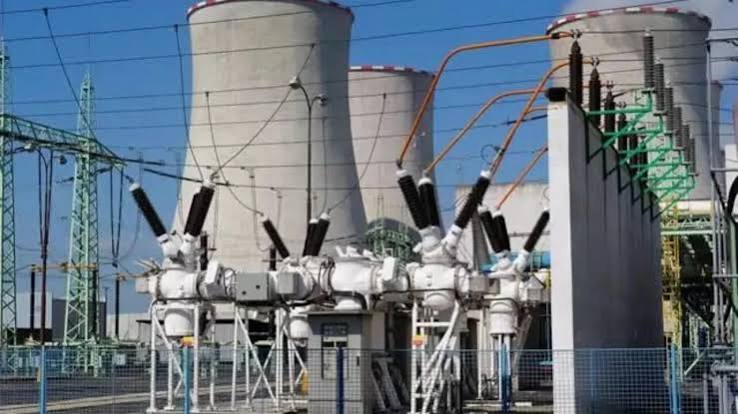
Stranded power happens when Gencos fire their turbines and burn expensive gas to generate electricity, but the Transmission Company of Nigeria (TCN) cannot wheel it to the Distribution Companies (DisCos) due to frequency management, weak grid infrastructure, or load rejections.
When this power is not evacuated, it is technically “wasted.” However, the cost of the gas used to generate it, along with capacity charges, remains valid. The data shows that this inefficiency is not just a technical glitch; it is a massive financial drain pushing Gencos toward insolvency.
Hover over the bars to view the specific monthly losses.
The Grid Bottleneck: Generated vs. Evacuated
To understand the scale of the ₦110.56 billion loss, one must look at the gap between what the Gencos can generate and what the grid actually accepts. Nigeria has an installed generation capacity of over 12,000 Megawatts (MW). However, due to gas constraints, grid instability, and water levels, actual generation hovers around 4,000 to 5,000 MW.
Even out of this generated amount, hundreds of megawatts are frequently stranded because TCN’s infrastructure cannot transport it safely without causing a system collapse. The chart below illustrates the daily average gap between generated power and what successfully reaches the end-users.
Hover over the bars to see the stranded capacity.
Hover over the doughnut to view the percentage breakdown.
~800 MW
Average daily stranded power due to grid constraints
Gas Debt
Gencos owe gas suppliers billions, threatening future supply
₦110.56B
Total revenue shortfall absorbed by Gencos in 6 months
The Financial Contagion: Who Pays?
The ₦110.56 billion loss does not simply vanish; it creates a contagion effect across the power value chain. When DisCos reject load or TCN fails to evacuate it, the Gencos still owe their gas suppliers. Because Gencos cannot sell the stranded power, they default on gas payments.
This data trend has forced gas producers to demand upfront payments or reduce supply, further crippling generation capacity. Without a mechanism to compensate Gencos for stranded power—or aggressive investment to expand the transmission grid—the financial viability of the generation sector will continue to deteriorate.
The Outlook: Fixing the Transmission Equation
The data is unequivocal: Nigeria does not just have a generation problem; it has a severe evacuation deficit. To halt the bleeding of billions of Naira, the Federal Government must prioritize transmission infrastructure expansion, particularly the deployment of high-capacity transformers and super-grid lines.
Furthermore, implementing smart grid technology will allow TCN to balance frequency and absorb more load without triggering collapses. Until the grid is capable of carrying at least 10,000 MW safely, the paradox of generating power only to waste it will continue to cost the economy billions, keeping the sector trapped in a cycle of debt and inefficiency.