Aisha Muhamma
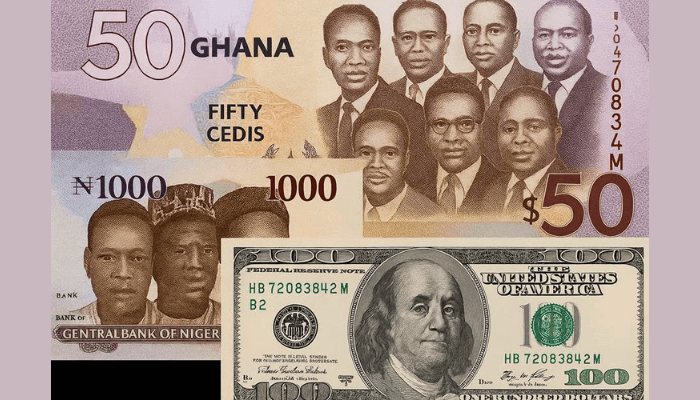
The trajectory of Ghana’s national tender has delivered one of the most volatile macroeconomic storylines in contemporary West African economic history. Within a compressed fiscal window, the Ghanaian Cedi (GHS) shifted from reigning as the continent’s top-performing currency to sliding into the position of its weakest major legal tender in 2026.
This deep-dive data journalism analysis deconstructs the structural triggers, market shocks, and systemic vulnerabilities driving the cedi’s steep descent, contextualizing its cross-border ripples across regional trade corridors.
1. Macroeconomic Chronology: The Speed of the Flip
Currency stabilization gains achieved through aggressive monetary tightening and IMF program disbursements during the previous biennium created a false sense of structural permanence. The rapid reversal underscores how fragile frontier-market recoveries remain when exposed to external commodity cycles and domestic fiscal pressures.
- The Peak Phase: Buoyed by debt-restructuring progress, enhanced gold and cocoa export earnings, and tight liquidity controls, the cedi demonstrated remarkable resilience, appreciating significantly against major trading crosses.
- The Inflection Point: As external debt-service obligations matured, foreign portfolio inflows slowed, and localized structural demand for greenbacks surged ahead of major import cycles, exchange rate buffers eroded rapidly.
- The Trough (2026): Persistent erosion of central bank reserves, combined with speculative pressures and widening trade deficits in non-traditional sectors, pushed the cedi into a sharp downward spiral, designating it as Africa’s weakest-performing currency for the year.
2. Core Catalysts Behind the Collapse
A synthesis of monetary data, foreign exchange market dynamics, and structural trade metrics highlights four primary drivers behind the depreciation:
+--------------------------------------------------------------------+
                   PRIMARY DRIVERS OF CEDI VOLATILITY
+-------------------------+------------------------------------------+
| 1. Liquidity Mismatches | High corporate demand for hard currency  |
|                         | outstripping Bank of Ghana interventions.|
+-------------------------+------------------------------------------+
| 2. Import Dependency    | Unmitigated reliance on refined fuel,    |
|                         | manufactured goods, and raw inputs.      |
+-------------------------+------------------------------------------+
| 3. Debt Servicing       | Resumption of external Eurobond debt     |
|                         | servicing draining foreign reserves.     |
+-------------------------+------------------------------------------+
| 4. Inflationary Pass-   | Imported inflation compounding domestic  |
|    Through              | price levels, triggering wage pressures. |
+-------------------------+------------------------------------------+
- Foreign Exchange Liquidity Squeezes: Importers faced chronic backlogs in accessing dollar allocations through commercial banks, forcing market participants toward parallel channels and driving up the black-market premium.
- Fiscal Slippages and Debt Realities: Despite restructuring frameworks, the heavy burden of legacy debt servicing continues to exert relentless pressure on official foreign exchange reserves, leaving the central bank with limited ammunition for sustained market interventions.
- Structural Import Inelasticity: Ghana’s consumption patterns remain heavily skewed toward imported finished goods and energy products. Every percentage point drop in the cedi immediately inflates landing costs for fuel, pharmaceuticals, and foodstuffs.
3. Cross-Border Trade Implications and Regional Spillover
As a vital economic hub within the Economic Community of West African States (ECOWAS), Ghana’s monetary instability holds profound implications for regional commerce, particularly along key trade corridors linking coastal ports to landlocked neighbors.
- The Import-Export Imbalance: Traders sourcing manufactured goods from Ghanaian markets face sudden cost escalations, dampening re-export trade volumes to neighboring nations.
- Cediization vs. Dollarization: Informal markets across West Africa heavily trading in cedis have experienced severe value erosion, compelling merchants to hedge risks by shifting transactions entirely to stable currencies or utilizing localized barter networks.
- Implications for the AfCFTA: High currency volatility undercuts the core objectives of the African Continental Free Trade Area (AfCFTA). Predictable pricing mechanisms are essential for cross-border value chains; extreme FX fluctuations introduce prohibitive transaction and hedging costs for small and medium-sized enterprises (SMEs).
4. Data-Driven Outlook and Strategic Takeaways
Reversing the structural vulnerabilities exposed by the cedi’s 2026 performance requires more than short-term monetary defense. Sustainable stabilization rests on fundamental structural shifts:
- Export Diversification: Expanding non-traditional export earnings beyond primary commodities (gold, cocoa, and oil) to insulate exchange reserves from global commodity price shocks.
- Fiscal Discipline: Enforcing strict expenditure ceilings to prevent domestic borrowing from crowding out private sector credit and fueling inflationary expectations.
- Enhanced Regional Payment Integration: Accelerating the operationalization of pan-African payment and settlement systems (PAPSS) to minimize dependence on hard-currency intermediation for intra-African trade.
The cedi’s dramatic shift serves as a potent case study for emerging economies: headline currency appreciation is transient without deep-seated structural reforms that anchor domestic productivity, tame inflation, and secure sustainable foreign exchange reserves.