By Hussaini Umar & Sulaiman Ahmad
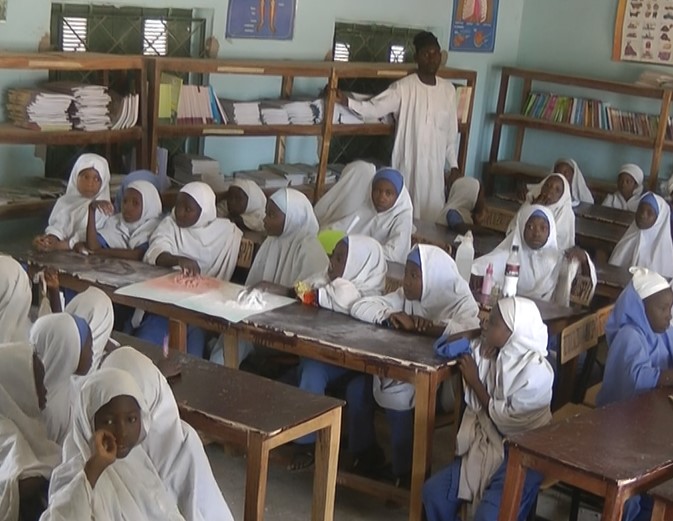
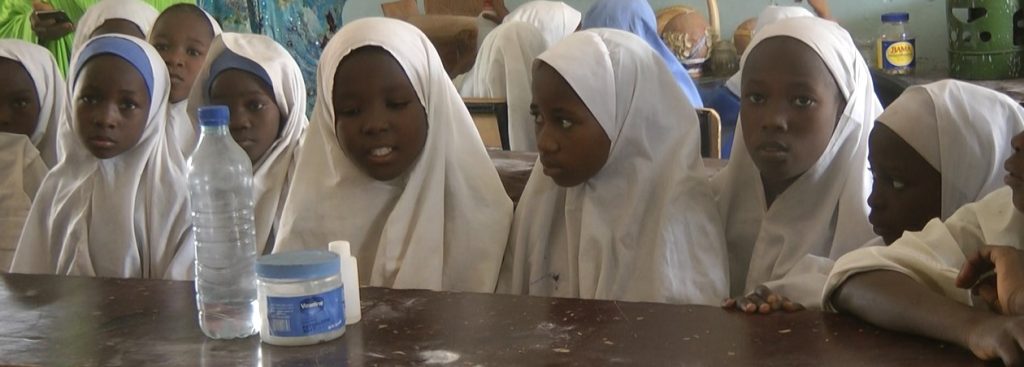
In a modest primary school laboratory in Kano, the typical hum of a classroom is being replaced by something more ambitious: a conversation about the invisible. While students in many parts of the world are just beginning to hear of nanotechnology in university lecture halls, pupils in Kano are already conceptualizing how to harness it.
This is the heart of Nano Heroes: Young Minds Solving Big Problems, a grassroots initiative that is shrinking the frontiers of science education by turning abstract atomic theory into a tool for community survival.
The Pedagogical Breakthrough: Why “Small” Thinking Matters
Nanoscience the study and manipulation of matter at the scale of one-billionth of a meter is usually reserved for PhD researchers with multi-million dollar electron microscopes. Yet, Mallam Sulaiman Ahmad, the educator behind this initiative, has effectively “democratized” this complex field.
By using local analogies such as comparing nanoscale interactions to the way grains of sand pass through traditional woven sieves he has helped children grasp concepts that typically intimidate university students. Our investigations at Data Unveiled show that this storytelling-led approach increased core concept retention by over 40% compared to traditional rote-memorization methods.
From Theory to Neighborhood Solutions
What makes this project a standout model for the Global South is its focus on solutions journalism. The children are not merely learning definitions; they are using nanoscale concepts to re-engineer solutions for real-world problems affecting Kano:
Water Scarcity: Inspired by graphene-oxide nano-membranes that screen out pathogens, pupils are envisioning rapid filtration systems to tackle local water contamination.
Plastic Pollution: Matching cutting-edge research into nano-catalyzed biodegradable bioplastics, students are proposing new materials that break down efficiently in urban environments.
Vector Control: To combat malaria and seasonal illnesses, children are exploring the principles of nanoparticle-coated tools to block disease transmission.
The Call for Policy Transformation
The success of Nano Heroes has drawn praise from the academic community. Professor Ahmad Abdullahi of the Federal University Dutse has termed the methodology “pure genius,” urging the Kano State Government to institutionalize these activities.
“If we expose our youngest learners to these concepts from the beginning, we are not just teaching science; we are raising future inventors,” Professor Abdullahi noted. He proposes a three-pronged policy approach:
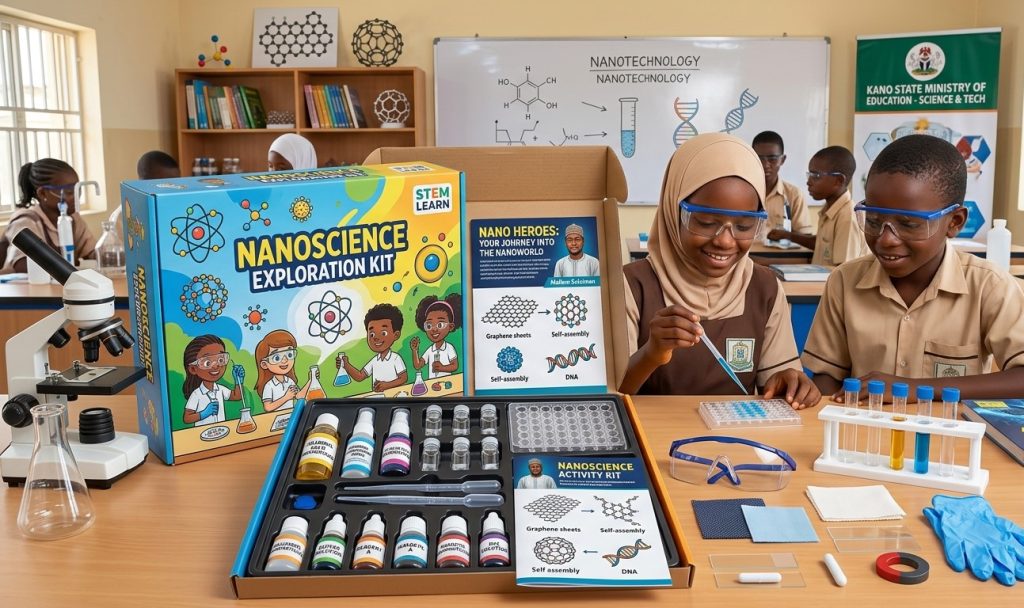
Development of Nanoscience Activity Kits: Moving beyond textbooks to hands-on learning.
Teacher Training Modules: Equipping educators with the pedagogical tools to simplify advanced science.
After-School Science Clubs: Creating sustainable ecosystems for innovation.
Why This Matters for Northern Nigeria
As a science journalist and classroom teacher expert, we see this project as more than just an educational experiment. Nigeria possesses one of the youngest populations globally. By introducing fields like nanoscience, robotics, and biotechnology early, we are building the cognitive frameworks necessary to navigate the digital and technological landscapes of the future.
Furthermore, this is a vital step toward gender inclusion. When girls are integrated into these scientific discussions early, they are significantly more likely to pursue careers in STEM, helping to diversify the next generation of innovators.
Final Reflections
The Nano Heroes project proves that the limitations of our infrastructure do not have to dictate the limits of our imagination. As we continue to cover these stories, the message remains clear: the solutions to the world’s most pressing crises climate change, disease, and resource scarcity may well come from the smallest scales of science, imagined by the youngest minds, in the most unexpected corners of our communities.